Understanding the Importance of Slot in Dining Experiences
In the culinary world, the concept of a slot refers to a designated period that organizes the flow of meal preparation and dining service. Understanding this principle is essential for both chefs and restaurant managers, as it affects every aspect of the dining experience. Whether you're planning a large event or managing a restaurant, recognizing the significance of slots can lead to smoother operations and enhanced guest satisfaction. This article explores the various dimensions of slots, from their definition in a culinary context to their importance in food presentation and service.
What Does Slot Mean in Culinary Context?
In its simplest form, a "slot" in the culinary context signifies an allocated timeframe for preparing and serving food. This concept plays a crucial role in various scenarios, including restaurant dining, event catering, and home cooking. For example, in a restaurant setting, a time slot might correspond to a reservation period, aligning dish preparation with customer dining times. By managing these slots effectively, culinary professionals can ensure that meals are served at optimal freshness and quality.
Why Slot Matters for Food Presentation and Service
The importance of slots extends beyond mere timing; they significantly impact food presentation and service quality. When chefs understand the right moments to plate dishes and when to serve them, they create a more enjoyable dining experience for guests. Proper slot management can help maintain the ideal temperature and aesthetics of dishes, enhancing their visual appeal and taste. Furthermore, it allows staff to coordinate efficiently, ensuring that orders are taken and served seamlessly.
How to Optimize Time Slots for Meal Preparation
Optimizing time slots for meal preparation involves strategic planning and thoughtful execution. This can be achieved by identifying peak dining hours, understanding cooking times for various dishes, and aligning staff schedules accordingly. By doing so, restaurants can maximize efficiency and reduce wait times, ultimately enhancing guest experiences. Incorporating tools like kitchen display systems (KDS) can also help streamline communications and ensure that each slot is utilized effectively.
Best Practices for Creating Perfect Dining Slots
Timely Coordination: Scheduling Meals for Maximum Enjoyment
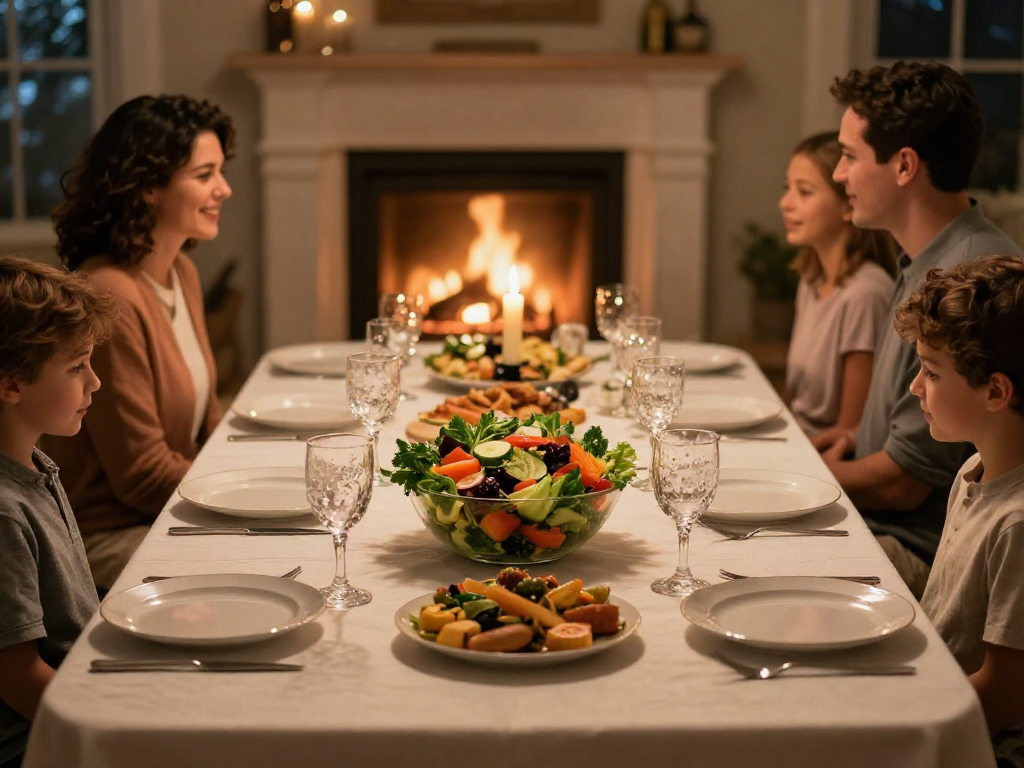
Effective meal scheduling allows culinary teams to deliver exceptional dining experiences. To achieve this, it’s essential to analyze guest patterns and predict demand accurately. For instance, understanding that certain days or times see higher customer traffic can inform staffing and preparation schedules, ensuring meals are ready when guests arrive. Coordinated efforts between the kitchen and front-of-house can transform any meal into a memorable event.
Mindful Meal Planning: Balancing Ingredients and Timing
Meal planning that considers both ingredients and timing can significantly affect the success of each dining slot. Chefs should focus on seasonal ingredients that align with expected guest numbers, ensuring a balance between availability and demand. This strategy minimizes waste and enhances flavor, providing a fresher dining experience. Additionally, planning creates opportunities for creative menu designing, where dishes can be paired harmoniously together based on preparation times and cooking methods.
Enhancing Guest Experience: Creating Engaging Time Slots
Guest engagement can be elevated through thoughtfully designed time slots. For instance, creating interactive dining experiences, such as chef's tables or tasting menus, can make the meal more exciting. By structuring these experiences within specific time frames, guests feel more involved and appreciated. Furthermore, allowing guests to choose time slots for special events can increase their personal connection with the dining experience.
Common Challenges in Managing Dining Slots
Overcoming Time Management Issues in Meal Prep
Time management is a common hurdle in the culinary industry, often leading to delays and service hiccups. To overcome these challenges, it’s vital to establish clear communication channels among all staff members involved in meal service. Regular training and updates can enhance team efficiency and ensure everyone understands their role in maintaining the timing of meals. Implementation of checklists and scheduling tools can further support effective time management.
How to Handle Unexpected Delays during Service
Unexpected delays can disrupt service and negatively impact guest experience. Having a contingency plan can make a significant difference. This might include strategies like offering complimentary appetizers or drinks while guests wait or pre-preparing certain components of dishes that are more time-consuming. Effective training on handling the unexpected can also empower staff to manage guest interactions positively and transparently during such situations.
Addressing Guest Expectations with Efficient Slot Management
Establishing realistic expectations among guests is critical. Clear communication regarding wait times and meal preparation can greatly influence guest perceptions. By managing their expectations, restaurants can cultivate goodwill and enhance customer loyalty. Offering insights on the preparation process, or emphasizing the quality of ingredients and preparation time, can also mitigate frustration if service timelines extend.
Real-World Examples of Effective Slot Management
Case Study: Successful Time Slot Planning in Restaurants
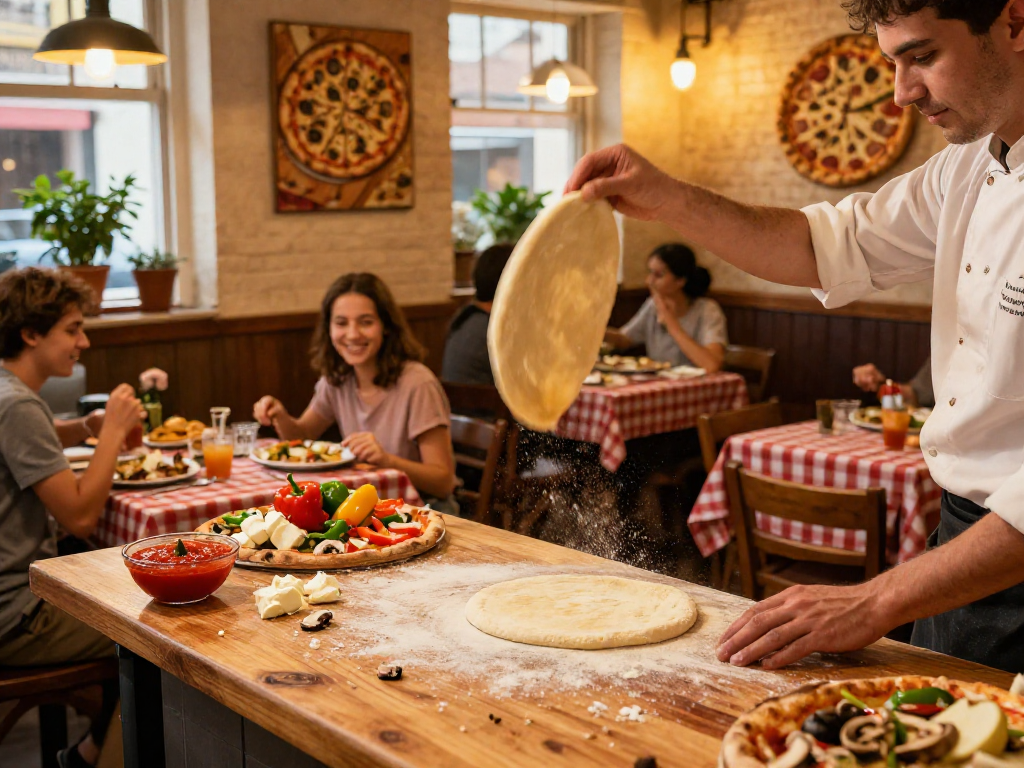
Many successful restaurants utilize time slot planning to manage high volumes of diners efficiently. For instance, a popular urban eatery may implement a staggered reservation system, allowing them to serve guests in waves. This method not only maximizes seating capacity but ensures each guest receives prompt and attentive service. Monitoring and analyzing the effectiveness of these slots can lead to continuous improvement and enhanced operational efficiency.
How Home Chefs Can Benefit from Proper Slot Usage
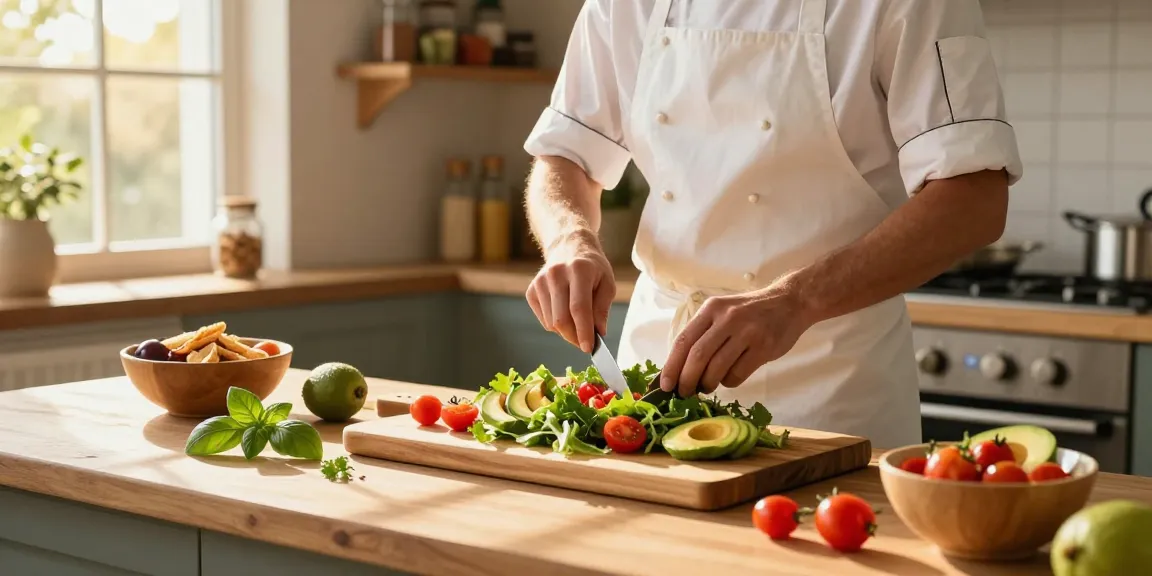
Home chefs can also benefit significantly from understanding and applying the concept of slots in meal preparation. By categorizing meal components into preparation slots, home cooks can streamline their cooking process, reducing stress and enhancing enjoyment. For example, prepping chopping vegetables and marinating proteins a day ahead can save time on busy weeknights. This proactive approach can lead to more enjoyable dining experiences at home.
Lessons from Top Catering Services on Slot Optimization
Top catering services excel in leveraging slot management to coordinate large-scale events seamlessly. They employ advanced planning techniques, often incorporating tools like event management software to monitor guest numbers and meal timings. Utilizing tactical scheduling allows caterers to prepare food just before service, ensuring optimal freshness and flavor. This level of orchestration serves as a valuable lesson for any culinary professional looking to enhance their slot management strategies.
Future Trends in Slot Management for Food Experiences
Emerging Technologies Impacting Dining Slot Management
The evolution of technology is set to transform slot management in the culinary industry. Innovations such as AI-driven reservation systems, predictive analytics for guest flow, and automation in kitchen operations will play a significant role in future dining experiences. These technologies promise to enhance efficiency and improve the customer journey by ensuring that dining slots are managed in real time, adapting to fluctuating demands.
Predictions for Slot Innovations in 2026 and Beyond
Looking ahead to 2026, we anticipate that restaurants will increasingly integrate IoT devices to optimize dining slots. For instance, smart kitchen appliances that communicate with digital ordering systems could help chefs adjust cooking times based on real-time orders. Furthermore, AR technology may be employed to visually engage guests in the meal preparation process, making their dining experience even more memorable.
How to Stay Ahead in the Evolving Culinary Landscape
In an ever-changing culinary landscape, it is vital for food service professionals to remain adaptable and continue learning. Engaging with trends and investing in technology can help restaurants and catering services maintain a competitive edge. Networking with industry peers and attending culinary workshops will also provide invaluable insights into optimizing dining slot management, ensuring that establishments not only survive but thrive.
What is a dining slot and why is it important?
A dining slot is a designated timeframe that specifies when meals will be prepared and served. Its importance lies in ensuring that food maintains quality and flavor while aligning with guest expectations.
How can I create effective meal preparation slots?
To create effective meal preparation slots, analyze your menu, understand ingredient preparation times, and schedule tasks accordingly to streamline the cooking process.
What are common mistakes to avoid in slot management?
Common mistakes in slot management include failing to communicate with the team, not preparing for peak times, and neglecting to adjust based on guest feedback and demand.
How can restaurants optimize their dining slots for guests?
Restaurants can optimize dining slots by implementing staggered reservations, maintaining clear communication about wait times, and preparing food in advance where possible to enhance service efficiency.
What trends to watch for in dining slot management?
Trends to watch in dining slot management include the integration of AI and automation, the rise of personalized dining experiences, and an increased focus on sustainability in meal preparation and service.