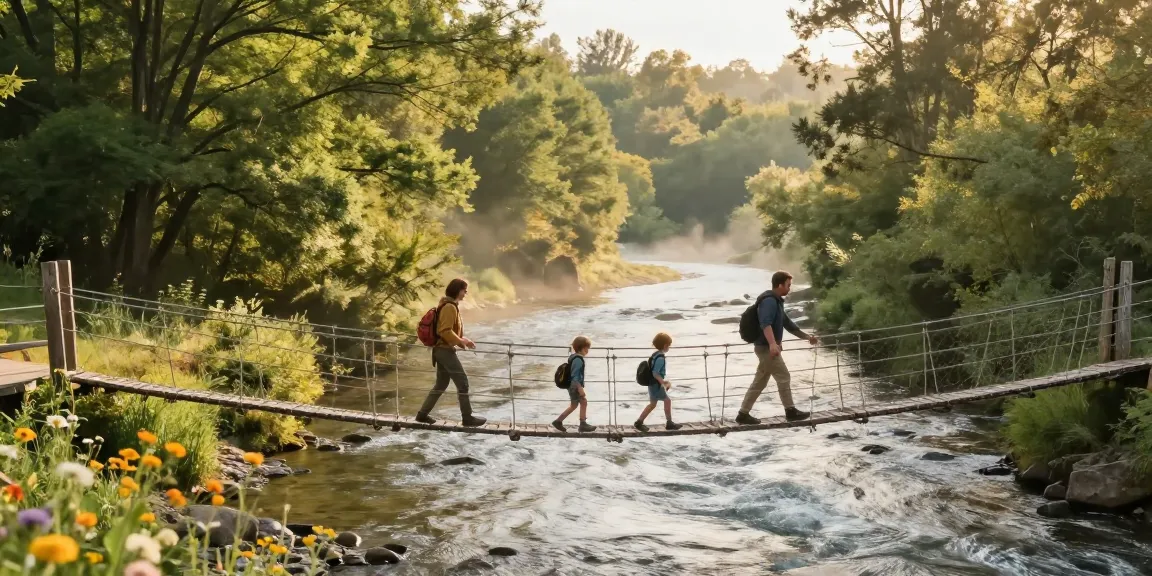
The Allure of River Rope Bridges
River rope bridges have an enchanting quality that captures the imagination of adventurers and nature lovers alike. Their aesthetic appeal, combined with the thrill of crossing over rushing waters, makes them a symbol of adventure and exploration. These structures not only facilitate movement across challenging terrains but also enhance the natural beauty of the landscapes they inhabit. Whether for recreational hiking trails, family outings, or eco-tourism ventures, the River Rope Bridge serves as a vital connection that brings people closer to nature.
Understanding the Design and Purpose of River Rope Bridges
Rope bridges are ingenious structures that utilise tensile strength to create stable walking surfaces suspended above rivers or ravines. The primary design usually involves two main cables stretched across the span attached to sturdy anchor points. These cables support a wooden or synthetic deck, providing a safe crossing point. The flexibility of the materials allows these bridges to sway gently with wind or foot traffic, adding to the experience of crossing them.
From the ancient Incan bridges of South America to modern-day installations in adventure parks, rope bridges have been used for centuries. They are particularly beneficial in locations where traditional bridge construction may be impractical or environmentally damaging. Their lightweight design makes them ideal for temporary installations in outdoor recreational areas.
Benefits of Using River Rope Bridges in Outdoor Activities
Rope bridges encourage outdoor activities by providing essential crossing points that connect trails and enhance exploration opportunities. They are particularly effective in mountainous or rugged areas where conventional road infrastructure is lacking. Some key benefits include:
- Access to Remote Areas: Rope bridges can help hikers access otherwise unreachable trails, enriching their outdoor experience.
- Minimal Environmental Impact: Constructed with light materials, they require less earth-moving and are often less disruptive to the surrounding habitat.
- Adventure and Experience: Crossing a rope bridge can be a memorable and exhilarating experience, attracting thrill-seekers and adventurers.
Historical Significance of Rope Bridges Across Cultures
Rope bridges are more than just functional structures; they carry historical significance and cultural narratives. Throughout history, various cultures have developed their own versions of rope bridges, adapted to their geographical needs. For example, the Q’eswachaka bridge in Peru is a renowned example that highlights the skills of the local communities in creating and maintaining these structures using traditional methods. Such bridges often showcase the ingenuity of human engineering and the importance of community collaboration.
Choosing the Right River Rope Bridge for Your Needs
Selecting the right river rope bridge requires careful consideration of several factors that determine its suitability for your intended use. Whether you're looking for recreational purposes, educational projects, or enhancing a natural setting, understanding your options is essential.
Factors to Consider When Selecting a River Rope Bridge
Before settling on a specific design or model, consider the following key factors:
- Location and Terrain: The geographical features of the landscape will dictate the type and scale of the bridge you require.
- Material Durability: Assessing the materials used—for instance, synthetic ropes versus natural fibres—will impact the longevity and maintenance needs of the bridge.
- Weight Capacity: It's crucial to ensure that the bridge can handle the expected load, whether it's for hikers, camping gear, or event equipment.
Comparing Different Materials and Designs
Several materials are commonly used in the construction of river rope bridges, and each has its advantages:
- Natural Fiber Ropes: These tend to blend well with outdoor environments and have historical significance but may require more frequent maintenance.
- Synthetic Ropes: Offering superior strength and resistance to weather conditions, synthetic materials are increasingly popular for modern bridges.
- Hybrid Designs: Combining various materials can yield the best results in terms of aesthetics and functionality.
Cost Considerations and Budgeting for Your Project
The cost of constructing a river rope bridge can vary widely based on design complexity, materials, and labour costs. Basic bridges can be constructed for a few hundred pounds, while more elaborate structures may require thousands. When budgeting, consider the following:
- Material Costs: Evaluate the market prices for the materials you intend to use and factor in delivery and handling fees.
- Labour Expenses: Hiring skilled workers versus DIY approaches can significantly alter your overall costs.
- Maintenance and Upkeep: Don’t forget to allocate funds for ongoing inspections and repairs to ensure safety and functionality.
Building Your Own River Rope Bridge: A Step-by-Step Guide
Constructing a river rope bridge can be an exciting project, whether for personal use or as part of a community initiative. Here’s how to get started:
Planning and Preparing Your Site for Bridge Installation
The first step is to conduct a thorough site survey to assess the feasibility of building a bridge. Key considerations include:
- Location: Ensure the site is safe and suitable for a bridge.
- Environmental Impact: Assess the environmental implications of your construction, including local wildlife and vegetation.
- Regulatory Approvals: Depending on your area, you may need to obtain permits from local authorities before proceeding.
Essential Tools and Materials for Construction
To build a rope bridge, gather the following materials and tools:
- Ropes: Choose high-quality, weather-resistant ropes based on your design.
- Decking Materials: Wood or composite materials for the walking surface.
- Anchoring Devices: Secure anchors for stability and safety.
- Tools: Essential tools include drills, saws, and safety gear for construction.
Safety Protocols During the Building Process
Safety is paramount when constructing a rope bridge. Ensuring proper safety measures are in place can prevent accidents:
- Use Personal Protective Equipment (PPE): Helmets, gloves, and harnesses are crucial for all workers.
- Follow Engineering Guidelines: Adhere to established safety standards to ensure structural integrity.
- Conduct Regular Safety Checks: Frequent inspections during the build can identify potential hazards early.
Maintenance and Safety of River Rope Bridges
Regular maintenance of your rope bridge is essential for ensuring the safety of its users and prolonging its lifespan. Develop a structured maintenance plan for timely inspections.
Regular Inspections and Maintenance Practices
It’s recommended to inspect your bridge at least twice a year. Key areas to focus on include:
- Rope Condition: Look for fraying or wear and replace ropes that show significant deterioration.
- Deck Stability: Check for loose boards and secure them as needed to prevent accidents.
- Anchoring Points: Ensure that anchor points remain secure and stable over time.
Managing Risks and Ensuring Safety for Users
To ensure user safety, consider these additional strategies:
- Signage: Clearly mark the bridge with weight limits and safety instructions.
- Training: Offer user education on how to safely cross the bridge, including tips for maintaining balance.
Legal Considerations and Insurance for Bridge Owners
As a bridge owner, it’s advisable to consult legal experts regarding liability insurance to protect against accidents. Understanding local laws and regulations concerning public access and land use can mitigate legal risk.
Future Trends in Rope Bridge Design and Use
The future of river rope bridges is bright as advancements in technology and materials promise to revolutionise their design and safety features.
Innovative Technologies Enhancing Rope Bridge Safety
Smart technology is beginning to be integrated into rope bridges. Sensors can monitor structural integrity and alert owners to maintenance needs. Such technologies could make bridges safer and more reliable for users, especially in high-traffic tourist areas.
Sustainable Practices for Eco-Friendly Bridge Construction
With increased focus on sustainability, future rope bridge projects will likely incorporate eco-friendly materials and methods. Using recycled materials and renewable resources will help reduce environmental impact while maintaining functionality.
Predictions for River Rope Bridges in Adventure Tourism by 2026
As adventure tourism continues to grow, expect an increase in river rope bridges as attractions in national parks and outdoor destinations. Their unique appeal draws tourists looking for thrill and exploration, making them a staple in the eco-tourism sector.
What are those rope bridges called?
Often referred to as suspension bridges or simple suspension bridges, these structures can vary in design and complexity.
How much does a rope bridge cost?
Costs for rope bridges vary based on size, materials, and installation requirements, ranging from hundreds to thousands of pounds.
Where is the best location for a river rope bridge?
Choosing a location involves assessing safety, accessibility, and environmental impact to ensure the bridge serves its purpose effectively.
How can I safely cross a river using a rope bridge?
To safely cross a river using a rope bridge, follow the guidelines for balance, weight distribution, and always ensure that the bridge is in good condition before using it.
What materials are best for building a river rope bridge?
The best materials include high-strength synthetic ropes for the cables and treated wood or composite materials for the decking due to their durability and weather resistance.