
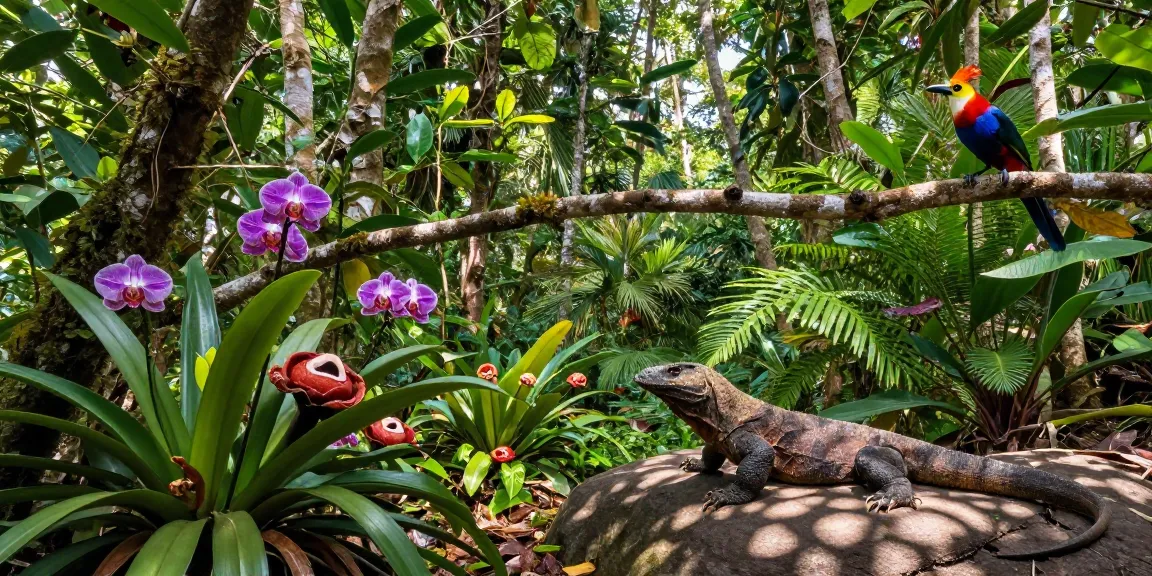
Understanding Biodiversity in Indonesia
Indonesia, a vast archipelago, is a treasure trove of biodiversity, boasting some of the richest ecosystems on the planet. With over 17,000 islands and a myriad of habitats, it is home to countless species, many of which are endemic. The significance of this biodiversity extends beyond mere numbers; it encompasses vital ecological, economic, and cultural aspects that influence the lives of millions. For those interested in exploring this wealth of natural heritage, resources like rokok 88 provide comprehensive insights into Indonesia’s flora and fauna, helping to foster a deeper appreciation and understanding.
What is Biodiversity?
Biodiversity refers to the variety of life on Earth, including the range of species, genetic diversity within those species, and the variety of ecosystems they inhabit. In Indonesia, biodiversity is particularly rich due to its unique geographical position and climatic variations, which create diverse habitats from tropical rainforests to coral reefs.
The Importance of Biodiversity
The importance of biodiversity cannot be overstated. It contributes to ecosystem services that are fundamental for human survival, including food production, clean water supply, and climate regulation. Furthermore, biodiversity has cultural significance, providing resources for traditional medicine and influencing local customs and practices.
Key Species in Indonesia’s Ecosystem
Indonesia is home to iconic species such as the Komodo dragon, orangutans, and the Bali starling. These species are not only vital for ecological balance but also embody Indonesia’s unique natural heritage. Protecting these species is crucial for maintaining the integrity of ecosystems.
Historic and Cultural Significance of Indonesian Flora and Fauna
The relationship between Indonesia’s biodiversity and its cultural heritage is profound. Indigenous communities have coexisted with this rich biodiversity for centuries, developing traditional practices that reflect their deep respect for nature. This connection plays a vital role in conservation efforts and highlights the need to incorporate cultural perspectives into biodiversity management.
Historical Perspectives on Biodiversity
Historically, Indonesia’s biodiversity has been shaped by both natural evolution and human activity. Indigenous knowledge systems have guided sustainable practices, crucial for maintaining the health of ecosystems. However, the impacts of colonialism and modern development have often led to habitat destruction and biodiversity loss.
Cultural Representation of Native Species
Many native species are integral to Indonesian culture, symbolizing regional identities and traditions. For example, the Rafflesia arnoldii, known for being the world’s largest flower, is not only a botanical wonder but also features prominently in local folklore and tourism.
Impact of Indigenous Knowledge on Conservation
Indigenous knowledge plays an essential role in biodiversity conservation. Communities often have intimate knowledge of local ecosystems, which can be invaluable for developing effective conservation strategies. Collaborating with indigenous peoples can enhance biodiversity management practices by combining traditional ecological knowledge with scientific research.
Current Conservation Efforts in Indonesia
As pressures on biodiversity increase, various conservation efforts are being implemented to protect Indonesia’s natural heritage. These initiatives aim to safeguard endangered species and restore habitats, highlighting the importance of collective action in addressing conservation challenges.
Effective Strategies for Biodiversity Conservation
Strategies such as habitat preservation, species protection laws, and community-based conservation projects have been developed to combat biodiversity loss. These efforts are critical in ensuring that Indonesia’s rich flora and fauna are preserved for future generations.
Protected Areas and National Parks
Indonesia has established numerous national parks and protected areas to conserve its unique ecosystems. Parks like Komodo National Park and Gunung Leuser National Park are key to preserving critical habitats and endangered species while promoting sustainable tourism.
Community Involvement in Conservation Projects
Engaging local communities in conservation projects is essential for success. Local involvement ensures that the needs and traditions of communities are considered, fostering a sense of ownership and responsibility towards the environment. Programs that provide alternative livelihoods can also reduce pressures on natural resources.
Challenges Facing Biodiversity in Indonesia
Despite ongoing conservation efforts, significant challenges threaten Indonesia’s biodiversity. These threats stem from various factors, including deforestation, climate change, and the illegal wildlife trade.
Threats from Deforestation and Habitat Destruction
Deforestation, primarily driven by agricultural expansion and logging, poses a severe threat to biodiversity. The loss of habitat leads to decreased populations of native species and disrupts ecological balance.
Effects of Climate Change on Biodiversity
Climate change impacts Indonesia’s biodiversity through rising temperatures, changing rainfall patterns, and increased frequency of natural disasters. These changes alter ecosystems and threaten the survival of many species.
Wildlife Trade and Its Impact
The illegal wildlife trade is another significant threat to biodiversity. Targeting endangered species for their skins, bones, or other body parts not only depletes populations but also disrupts ecosystems and local cultures.
Future of Indonesia’s Biodiversity: Trends for 2026 and Beyond
Looking forward to 2026, the future of Indonesia’s biodiversity hinges on continued conservation efforts, community engagement, and global cooperation. Emerging trends suggest a need for innovative solutions to combat biodiversity loss and promote sustainable practices.
Emerging Conservation Technologies
Technological advancements play a crucial role in biodiversity conservation. Tools such as satellite monitoring, genetic analysis, and community-based data collection can enhance conservation strategies and improve ecosystem management.
Global Partnerships for Biodiversity Preservation
Collaboration between nations, NGOs, and local communities is essential for effective biodiversity conservation. Global partnerships can facilitate knowledge sharing and resource mobilization to address the challenges faced by Indonesia’s ecosystems.
What the Future Holds for Indonesia’s Unique Ecosystem
The future of Indonesia’s biodiversity will rely on innovative conservation approaches that balance ecological integrity with economic development. Ensuring the participation of local communities in decision-making processes will be vital for sustainable outcomes.
FAQs About Biodiversity in Indonesia
What is the unique biodiversity of Indonesia?
Indonesia is known for its extraordinary biodiversity, featuring thousands of species of plants and animals, many of which are endemic to the region. The country’s varied ecosystems, from rainforests to marine environments, support an incredible array of life.
How can we contribute to conservation efforts?
Individuals can contribute to conservation efforts by supporting sustainable products, participating in local conservation initiatives, and advocating for policies that protect natural habitats.
What are the endangered species in Indonesia?
Endangered species in Indonesia include the Sumatran tiger, orangutan, and the Javan rhinoceros. Protecting these species requires concerted conservation actions and habitat preservation.
Why is biodiversity important to humans?
Biodiversity is crucial for food security, clean water, and health. It provides ecosystem services that sustain human life and contributes to cultural and recreational values.
How does climate change affect Indonesia’s biodiversity?
Climate change can lead to habitat loss and altered ecosystems, affecting species survival and biodiversity. Increased temperatures and erratic weather patterns can disrupt life cycles and ecological relationships.
